

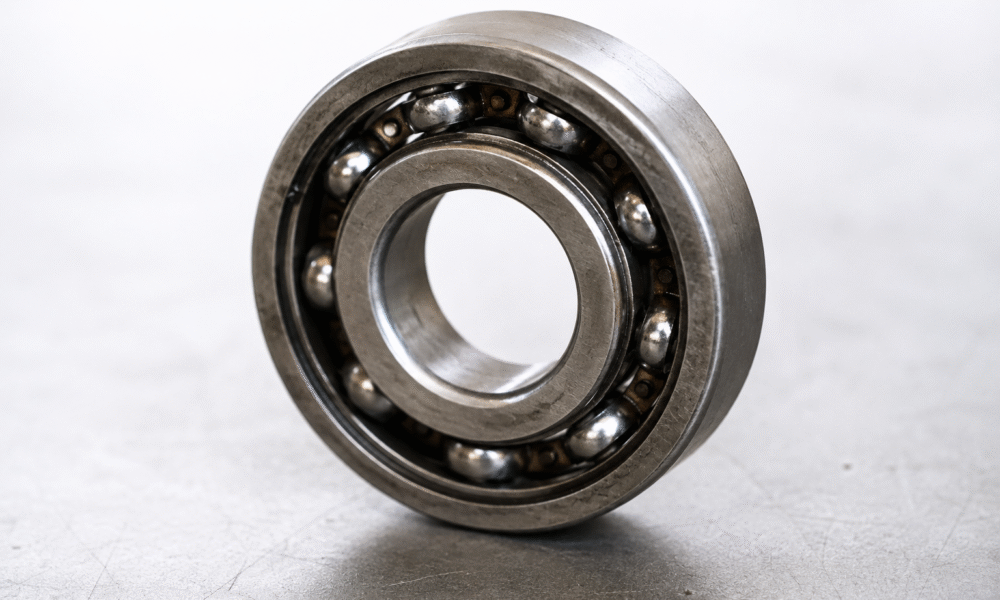
Fretting and Pitting: 2 Silent Bearing Surface Damage Causes That Destroy Machines
Industrial machines run for years without stopping, and bearings are the silent workers that keep everything moving smoothly. But sometimes, even with regular maintenance, bearings fail earlier than expected. Two of the most overlooked reasons behind this early failure are fretting and pitting — two types of surface damage that develop slowly, often unnoticed, until the machine suddenly stops working. If you want to understand the broader picture first, check out our guide on why bearings fail even after proper maintenance.
In this blog, we will explain what fretting and pitting are, why they happen, how to identify them, and how you can prevent them from damaging your machinery.
What Is Fretting?
Fretting is a type of surface damage that occurs when two contacting surfaces experience very small, repeated movements against each other—even movements as tiny as a few microns. This constant micro-movement, combined with vibration or load, wears away the protective oxide layer on the metal surface, exposing fresh metal to friction and corrosion.
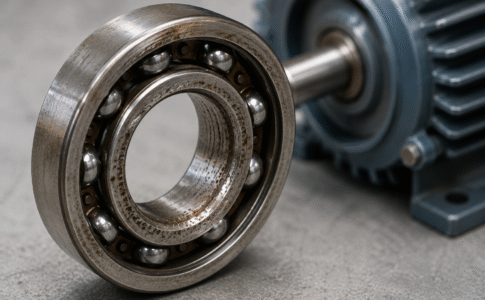
Over time, fretting causes small pits, discoloration, and rust-like deposits on the bearing surface. Although the damage looks minor at first, it weakens the metal structure and eventually leads to cracks, loosening of fits, and complete bearing failure.
Common Causes of Fretting
- Loose bearing fits on the shaft or housing
- Continuous vibration during transport or operation
- Improper mounting or misalignment (a common issue we cover in thrust bearing installation mistakes that cause early machine failure)
- Machines that experience frequent start-stop cycles without adequate lubrication
What Is Pitting?
Pitting is a form of surface fatigue damage. It appears as small craters or pits on the rolling surfaces of the bearing—the balls, rollers, or raceways. Pitting develops when the material under the surface experiences repeated stress cycles beyond its fatigue limit, causing tiny fragments of metal to break away.
Unlike fretting, which is caused by micro-movement, pitting is usually the result of heavy or uneven loads, contamination, or poor lubrication that allows metal-to-metal contact under pressure.
Common Causes of Pitting
- Overloading beyond the bearing's rated capacity
- Contaminated or insufficient lubrication
- Poor bearing material quality — learn more about how to select bearing material for different industrial conditions
- Electrical current passing through the bearing (common in motors and generators)
- Misalignment causing uneven load distribution
How to Identify Fretting and Pitting Early
Both types of damage are difficult to detect until the bearing is removed for inspection, but a few warning signs can help you catch the problem early:
- Unusual noise or vibration during machine operation
- Slight increase in operating temperature
- Reddish-brown or rust-colored residue near the bearing (a sign of fretting)
- Rough rotation or resistance when the shaft is turned manually
- Visible small craters or dull spots on the bearing surface during inspection
Regular inspection schedules and vibration monitoring can help maintenance teams identify these issues before they cause complete breakdowns. For a complete checklist, see our blog on 5 warning signs your machine bearings are about to fail.
Why These Damages Are Dangerous for Machines
Fretting and pitting rarely cause sudden failure. Instead, they weaken the bearing gradually, reducing its load-carrying capacity and increasing internal clearance. This leads to:
- Increased vibration and noise
- Higher operating temperatures
- Reduced machine efficiency
- Unexpected downtime and costly repairs
- Damage to surrounding components like shafts and housings
Because the damage builds up slowly, many operators only notice a problem once the machine has already suffered secondary damage—making repairs more expensive than they needed to be.
How to Prevent Fretting and Pitting
- Correct Fitting – Ensure bearings are mounted with the correct fit (not too loose, not too tight) to prevent micro-movement.
- Proper Lubrication – Use the right type and quantity of lubricant to reduce friction and prevent metal-to-metal contact. Read our detailed guide on the role of lubrication in extending bearing life.
- Load Matching – Select bearings rated for the actual operating load, including shock loads.
- Alignment Checks – Regularly check shaft and housing alignment to avoid uneven stress distribution.
- Vibration Control – Reduce unnecessary vibration during transport, storage, and operation.
- Quality Bearings – Use bearings from trusted manufacturers with proven material quality and heat treatment standards.
- Routine Inspection and Planning – Schedule periodic inspections and keep spare parts ready. Our blog on how to reduce machine downtime with smart spare parts planning for bearings explains this in detail.
Final Thoughts
Fretting and pitting may seem like minor surface issues, but left unaddressed, they can shorten bearing life dramatically and lead to unplanned machine downtime. Understanding these silent damage mechanisms allows maintenance teams to take preventive action through correct installation, proper lubrication, and regular inspection before small pits and wear marks turn into major failures. For more on keeping your machinery running longer, read bearing maintenance and repair: how to extend the life of your machinery.
At Noor & Sons, we supply high-quality industrial bearings along with expert guidance on selection, installation, and maintenance, helping you avoid issues like fretting and pitting before they affect your machinery. If you are looking for reliable bearings built to withstand tough industrial conditions, get in touch with our team today.


No comments