


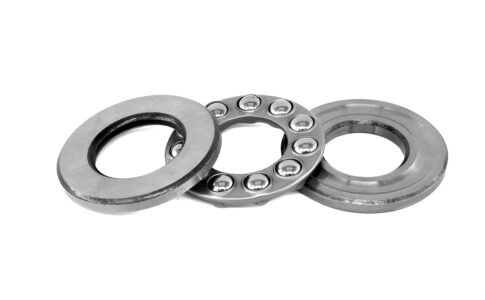
A thrust bearing is designed to handle axial loads and plays a critical role in keeping industrial machinery running smoothly.
However, even the highest-quality bearing can fail prematurely if it is installed incorrectly.
In many cases, early machine failure is not caused by the bearing itself, but by avoidable installation errors.
Below are the seven most common mistakes made during thrust bearing installation that lead to reduced bearing life, excessive wear, and unexpected downtime.
1. Incorrect Bearing Orientation
Thrust bearings are designed to support load in a specific direction. Installing the bearing in the wrong orientation prevents it from handling axial forces correctly.
Impact: Uneven load distribution and rapid wear.
Solution: Always confirm load direction and follow manufacturer guidelines before installation.
2. Poor Shaft and Housing Preparation
Installing a thrust bearing on damaged, dirty, or uneven mounting surfaces is one of the most common mistakes seen in industrial environments.
Impact: Misalignment, vibration, and reduced performance.
Solution: Clean and inspect shafts and housings thoroughly before mounting.
3. Applying Force Incorrectly During Installation
Using hammers or applying force to the wrong bearing component during installation can damage internal parts without visible signs.
Impact: Internal raceway damage leading to early failure.
Solution: Use proper mounting tools and apply force only to the correct bearing ring.
4. Ignoring Proper Alignment
Misalignment between the shaft and housing places uneven stress on thrust bearings, especially under heavy axial loads.
Impact: Increased friction, heat buildup, and premature fatigue.
Solution: Ensure accurate alignment during and after installation.
5. Incorrect Lubrication at Installation
Improper lubrication is among the most common mistakes that shorten thrust bearing life.
Both over-lubrication and under-lubrication can cause serious performance issues.
Impact: Excessive heat, metal-to-metal contact, or lubricant breakdown.
Solution: Use the correct lubricant type and quantity as recommended for the application.
6. Using the Wrong Thrust Bearing for the Application
Selecting a thrust bearing without considering load, speed, and operating conditions often results in early failure.
Impact: Bearing overload and reduced machine reliability.
Solution: Match the bearing design to the application requirements.
7. Skipping Final Inspection and Testing
Some installations move directly into full operation without proper inspection or test runs after installation.
Impact: Undetected installation errors causing immediate damage.
Solution: Perform a final inspection and low-speed test run before full operation.
Why Correct Thrust Bearing Installation Matters
Proper installation allows thrust bearings to handle axial loads efficiently, reduce friction, and support long-term machine performance.
Correct practices help minimize downtime, lower maintenance costs, and extend equipment life.
Conclusion
Early machine failure is often the result of installation mistakes rather than bearing defects.
By avoiding these seven common thrust bearing installation errors, industries can significantly improve equipment reliability and bearing lifespan.
Careful preparation, correct tools, proper lubrication, and final inspection are essential for long-term performance.


No comments