

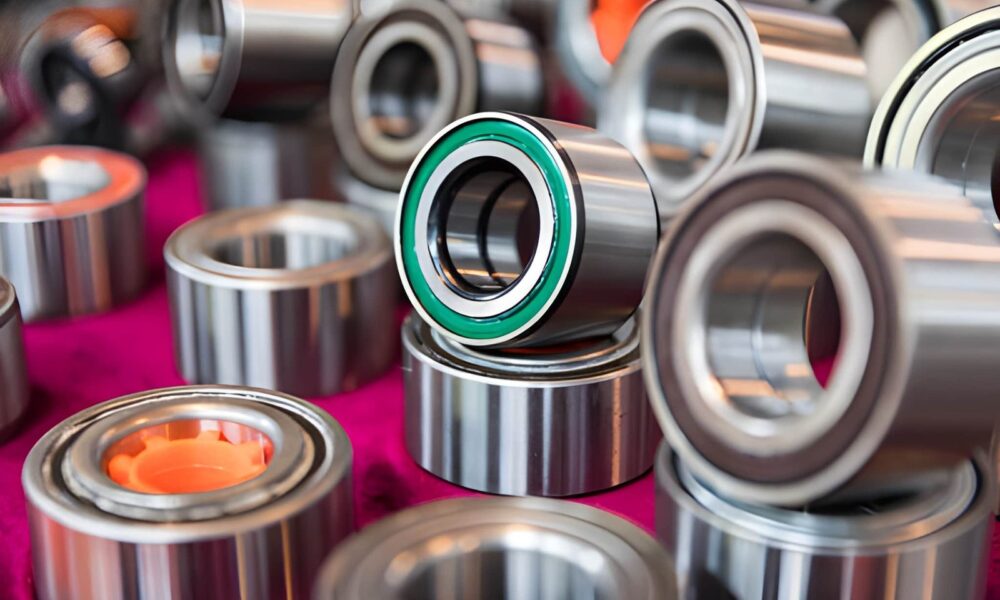
In industrial environments, bearings are expected to run smoothly for long periods—especially when they are regularly cleaned, lubricated, and inspected. So, when a bearing fails despite proper maintenance, it can be confusing and costly at the same time. Many professionals assume that routine maintenance is enough to prevent issues, but in reality, there are several hidden factors that can still lead to failure.
Even companies that follow strict maintenance schedules often face unexpected bearing failure issues that can disrupt operations and increase maintenance costs. This shows that maintenance alone is not always the complete solution. To truly prevent breakdowns, it’s important to understand what might be going wrong behind the scenes.
Incorrect Installation Practices
One of the most common reasons bearings fail is improper installation. No matter how high-quality a bearing is, if it’s not installed correctly, its lifespan will be reduced.
For example, applying force to the wrong part of the bearing during installation can damage internal components. Similarly, using improper tools or techniques can lead to misalignment or internal stress. These issues might not show immediate signs, but they gradually lead to failure.
Misalignment in Machinery
Bearings are designed to operate under precise alignment. Even a slight misalignment between the shaft and housing can create uneven pressure on the bearing.
Over time, this uneven load leads to increased friction, heat buildup, and wear. Regular maintenance might not always catch this issue unless alignment checks are specifically included.
Overloading Beyond Design Limits
Every bearing has a specific load capacity. When machinery operates beyond that limit, it puts extra stress on the bearing.
This can happen due to increased production demands, changes in machine usage, or incorrect bearing selection. Even if maintenance is done properly, continuous overloading will eventually cause fatigue and failure.
Using the Wrong Lubricant
Lubrication is a key part of bearing maintenance, but many people focus only on the quantity rather than the type of lubricant used.
Different operating conditions require different types of lubricants. Using the wrong one can result in poor performance, increased friction, and overheating. This is why understanding modern bearing maintenance techniques is essential for improving efficiency and avoiding hidden issues.
Contamination from Dust and Moisture
Contamination is often called the silent enemy of bearings. Dust, dirt, and moisture can enter the bearing and cause internal damage over time.
Even in well-maintained systems, if proper sealing is not in place, contaminants can easily get inside. Once they do, they cause abrasion, corrosion, and reduced efficiency.
Poor Quality Bearings
Another important factor is the quality of the bearing itself. Low-quality or counterfeit bearings may not meet the required standards, leading to early failure.
They might look similar to genuine products, but they lack durability and precision. This is why choosing a reliable supplier is just as important as regular maintenance.
Excessive Heat and Temperature Changes
Heat plays a major role in bearing performance. High temperatures can break down lubrication, increase friction, and weaken materials.
In some cases, sudden temperature changes can also create internal stress within the bearing. Even with proper maintenance, if temperature conditions are not controlled, failure becomes more likely.
Lack of Condition Monitoring
Maintenance routines often focus on scheduled tasks like lubrication and cleaning. However, without proper monitoring, early warning signs can go unnoticed.
Unusual noise, vibration, or slight temperature increases are often indicators of a problem. Ignoring these signs can turn minor issues into major failures.
Incompatible Operating Environment
Sometimes, the environment itself is the problem. Bearings operating in harsh conditions—such as exposure to chemicals, water, or extreme pressure—are more likely to fail.
Even with proper maintenance, these external factors can reduce the lifespan of the bearing if the right type is not selected.
Human Error and Inconsistent Practices
Finally, human error can also contribute to bearing failure. Inconsistent maintenance practices, lack of training, or small mistakes during inspections can have long-term effects.
Even something as simple as over-greasing or missing a minor defect can lead to bigger problems over time.
Final Thoughts
Bearings don’t fail without a reason. Even when maintenance is done regularly, hidden factors can still affect performance. That’s why it’s important to look beyond routine tasks and focus on the bigger picture.
By paying attention to installation, alignment, load conditions, lubrication, and environmental factors, you can significantly reduce the chances of unexpected failure. In the end, it’s not just about maintaining bearings—it’s about understanding them.

No comments