

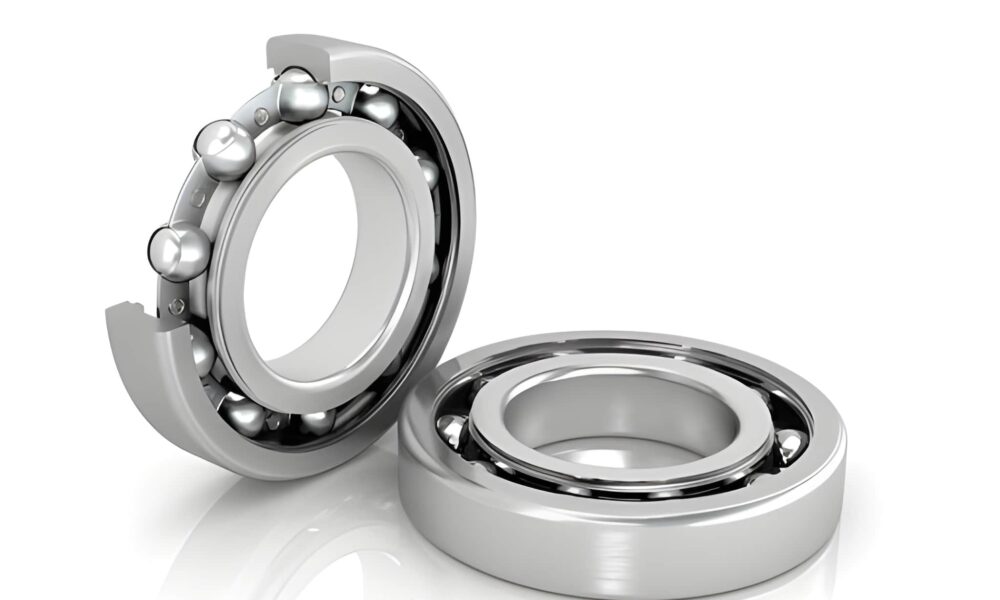
In heavy industries such as cement plants, steel mills, and power plants,
bearing problems are one of the most common reasons behind equipment failure and unplanned downtime.
Bearings play a critical role in supporting rotating machinery like conveyors, crushers, turbines, motors, and rolling mills.
Due to extreme operating conditions, these industries face unique bearing challenges that require industry-specific solutions.
Why Bearing Problems Are Common in Heavy Industries
Cement, steel, and power plants operate under harsh environments that include high loads, extreme temperatures, dust, moisture, and continuous operation.
If the right bearing is not selected or maintained properly, failure becomes inevitable.
Understanding the root causes of bearing issues is the first step toward improving machine reliability.
Bearing Problems in Cement Plants (Causes & Solutions)
Common Problems
- Dust Contamination: Fine cement dust easily enters bearings and damages lubrication.
- High Operating Temperatures: Kilns and grinding units expose bearings to constant heat.
- Improper Lubrication: Over-greasing or under-greasing shortens bearing life.
Solutions
- Use sealed or shielded bearings to prevent dust ingress
- Select high-temperature resistant lubricants
- Follow a strict lubrication and inspection schedule
- Install protective covers in highly dusty areas
In cement plants, preventive measures significantly reduce bearing failure and increase overall equipment lifespan.
Bearing Problems in Steel Plants (Causes & Solutions)
Common Problems
- Heavy Shock Loads: Rolling mills and crushers create sudden load impacts.
- Excessive Vibration: Misalignment and imbalance accelerate bearing fatigue.
- Heat and Scale Exposure: High temperatures and metal scale damage bearing surfaces.
Solutions
- Use heavy-duty bearings designed for high load capacity
- Ensure accurate shaft alignment during installation
- Implement vibration monitoring systems
- Choose bearings with heat-resistant materials
Incorrect bearing selection is one of the leading causes of premature failure in steel plants.
Bearing Problems in Power Plants (Causes & Solutions)
Common Problems
- Lubrication Breakdown: Continuous operation causes oil and grease degradation.
- Electrical Erosion: Stray currents damage bearing raceways in motors and generators.
- Fatigue Failure: Long operating hours result in surface fatigue.
Solutions
- Use condition monitoring for temperature and vibration
- Install insulated bearings where electrical currents are present
- Perform regular oil analysis
- Replace bearings proactively before failure occurs
Power plants benefit greatly from predictive maintenance strategies that minimize unexpected shutdowns.
Common Bearing Mistakes Across All Industries
- Using the wrong bearing type for the application
- Improper mounting and installation methods
- Over-lubrication or poor lubrication practices
- Ignoring regular inspection and maintenance intervals
Most of these issues can be avoided by following proper
bearing maintenance and repair practices
and using correct installation techniques.
How the Right Bearing Solution Improves Plant Performance
When bearings are correctly selected, properly installed, and maintained on a regular basis, plants experience improved machine efficiency, reduced energy consumption,
lower maintenance costs, and extended equipment life.
In heavy industries, bearings are not just components—they are a foundation of reliable plant performance.
Conclusion
Bearing problems in cement, steel, and power plants are common, but they are not unavoidable.
By understanding industry-specific challenges and applying the right bearing solutions, businesses can significantly reduce downtime and improve operational reliability.
The combination of correct bearing selection, proper lubrication, and regular monitoring ensures long-lasting and smooth machine operation in demanding industrial environments.

No comments