


Industrial machinery operates under demanding conditions, making proper lubrication essential for smooth performance and long-term reliability. Whether used in manufacturing plants, construction equipment, food processing facilities, or power generation systems, every machine relies on the right lubricant to minimize friction, reduce wear, and improve efficiency. Choosing the right lubricants in Pakistan is not simply about selecting a well-known brand. It involves understanding your equipment's operating conditions, load requirements, temperature range, and maintenance schedule.
Using the wrong lubricant can lead to overheating, increased energy consumption, unexpected downtime, and costly equipment repairs. By selecting the appropriate lubricant, businesses can improve machine performance, reduce maintenance costs, and extend the lifespan of valuable industrial assets.
Why Lubrication Is Essential for Industrial Machinery
Industrial equipment contains multiple moving components that constantly generate friction. Without proper lubrication, these parts wear against each other, producing excessive heat and causing premature failure.
A quality lubricant creates a protective film between metal surfaces, helping to:
- Reduce friction between moving parts.
- Protect equipment from wear and corrosion.
- Dissipate heat during operation.
- Prevent contamination from dust and moisture.
- Improve machine efficiency.
- Extend equipment service life.
Proper lubrication is one of the simplest yet most effective ways to keep industrial machinery operating at peak performance.
Factors to Consider When Choosing Industrial Lubricants
Not every lubricant is suitable for every machine. Selecting the correct product requires evaluating several important factors.
Operating Temperature
Machines operating in high-temperature environments require lubricants that maintain their protective properties even under extreme heat. Equipment used in cold environments also needs lubricants that remain fluid during low-temperature operation.
Load Capacity
Heavy-duty industrial equipment places greater pressure on bearings and rotating components. Choosing a lubricant designed for heavy-load applications helps reduce metal-to-metal contact and improves durability.
Operating Speed
High-speed machinery requires lubricants with the proper viscosity to minimize friction while maintaining smooth movement. Selecting an incorrect viscosity may reduce efficiency and increase wear.
Environmental Conditions
Dust, humidity, chemicals, and water exposure can significantly affect lubricant performance. Machines operating in harsh environments should use lubricants specifically formulated to resist contamination.
Choosing the Right Grease Lubricant
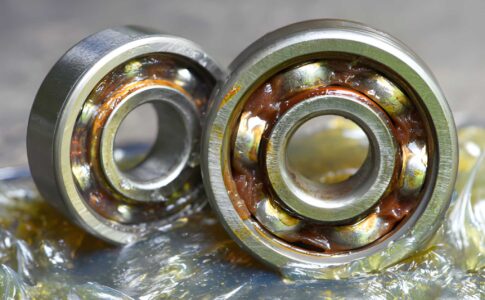
For many industrial applications, a grease lubricant is preferred because it remains in place for longer periods and provides continuous protection even under demanding operating conditions. Grease is commonly used in bearings, motors, conveyors, pumps, and heavy industrial equipment where regular oil circulation is not practical.
When selecting grease, consider factors such as consistency, operating temperature, load capacity, and compatibility with your machinery. Using the correct grease not only improves reliability but also reduces maintenance frequency and unexpected downtime.
What Influences Grease Price in Pakistan?
Many buyers search for grease price in Pakistan before purchasing industrial lubricants. However, price should never be the only deciding factor. Several elements influence lubricant pricing, including:
- Product quality.
- Base oil type.
- Additive technology.
- Packaging size.
- Brand reputation.
- Industrial performance standards.
Choosing a high-quality lubricant often provides better long-term value because it reduces equipment wear, lowers maintenance expenses, and minimizes production interruptions.
Lubrication for Linear Guide Systems
Machines that use a linear guide bearing require consistent lubrication to maintain precision movement and reduce friction. Proper lubrication helps prevent contamination, minimizes wear on guide rails, and ensures smooth linear motion in CNC machines, robotics, automation equipment, and manufacturing systems.
Following the manufacturer's lubrication intervals is essential for maintaining positioning accuracy and extending component life.
Common Lubrication Mistakes to Avoid
Even high-quality lubricants cannot deliver maximum performance if they are used incorrectly. Some of the most common lubrication mistakes include:
Using the Wrong Lubricant
Every machine has specific lubrication requirements. Using an incorrect product can reduce efficiency and accelerate component wear.
Over-Lubrication
Applying excessive lubricant may generate unnecessary heat, increase internal pressure, and damage seals.
Under-Lubrication
Insufficient lubrication leaves moving parts unprotected, leading to increased friction and premature failure.
Ignoring Maintenance Schedules
Skipping routine lubrication intervals often causes unnecessary equipment wear and unexpected breakdowns.
Mixing Different Lubricants
Different lubricant formulations may not be chemically compatible. Mixing products can reduce performance and affect machinery reliability.
Benefits of Choosing High-Quality Industrial Lubricants
- Improved machine efficiency.
- Reduced maintenance costs.
- Longer bearing and component life.
- Better protection against corrosion.
- Lower equipment downtime.
- Increased operational reliability.
- Improved workplace productivity.
These benefits contribute to better equipment performance and help businesses maximize the return on their machinery investments.
Best Practices for Lubrication Management
An effective lubrication program goes beyond selecting the right product. Regular inspection and proper storage are equally important.
- Follow manufacturer recommendations.
- Store lubricants in clean and dry environments.
- Monitor lubricant condition during routine inspections.
- Replace contaminated lubricants promptly.
- Train maintenance staff on proper lubrication procedures.
- Maintain service records for every machine.
A proactive lubrication strategy helps detect potential issues before they develop into major mechanical failures.
Conclusion
Selecting the right lubricant is a critical part of maintaining industrial machinery and ensuring reliable performance. Instead of focusing only on cost, businesses should consider operating conditions, equipment requirements, lubricant quality, and maintenance practices when making their decision. Proper lubrication reduces friction, prevents wear, improves efficiency, and extends the service life of valuable machinery.
For industries that rely on dependable machine performance, investing in high-quality lubrication solutions is a smart long-term decision. Combined with regular maintenance and proper application, the right lubricant helps minimize downtime, improve productivity, and protect industrial equipment for years to come.
This version includes the requested internal links:

No comments