

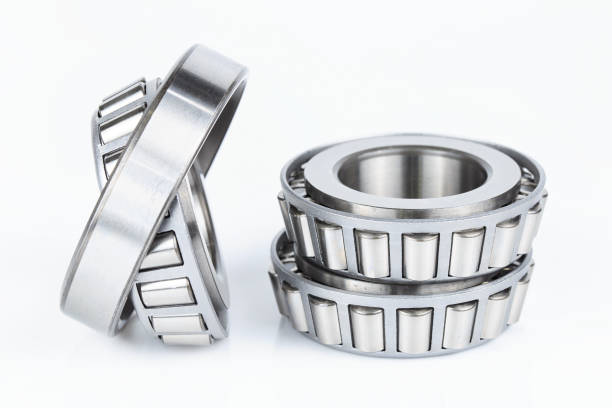
Bearings are one of the most critical components in industrial machinery. They allow moving parts to operate smoothly, reduce friction, and support both radial and axial loads. When bearings operate efficiently, machines run quietly and with minimal wear. However, improper maintenance, especially lack of lubrication, can shorten their lifespan and lead to costly downtime.
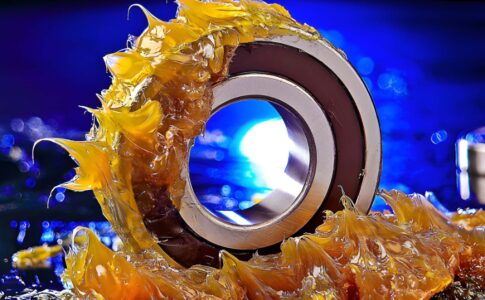
Proper lubrication is essential to keep bearings functioning at their best. Lubricants form a thin layer between moving parts, reducing metal-to-metal contact. This prevents excessive heat buildup, decreases wear, and ensures that machinery operates reliably over time. Without the correct lubrication, even the highest-quality bearings can fail prematurely, affecting the performance of the entire machine.
Why Lubrication Is Important
Friction is the main cause of bearing damage. Continuous operation without proper lubrication generates heat and can cause surfaces to wear unevenly. Over time, this can lead to machine vibration, increased energy consumption, and eventual bearing failure. Lubrication not only reduces friction but also helps protect against contaminants such as dust, dirt, and moisture that may enter the bearing housing.
High-quality NTN bearing requires consistent lubrication to perform optimally. Even when a bearing is manufactured to precise standards, lack of lubrication can cause it to degrade quickly. Proper maintenance ensures that machines using these bearings can operate for longer periods without unexpected breakdowns.
Types of Lubrication
There are two main types of lubrication for bearings: grease-based and oil-based. Each has its own advantages and is suitable for specific applications.
- Grease Lubrication: Grease is thicker and adheres well to bearing surfaces. It is ideal for machines that operate at moderate speeds or in environments where frequent maintenance is difficult. Grease provides a protective layer that prevents contaminants from reaching the bearing surface.
- Oil Lubrication: Oil is better suited for high-speed applications because it flows easily and dissipates heat efficiently. Oil can be applied continuously or in circulation systems to ensure constant protection and cooling.
Choosing the right type of lubricant depends on the operating conditions, load, speed, and environment. For example, a thrust bearing that handles heavy axial loads will require a lubricant that can withstand pressure and high temperatures. Selecting the wrong lubricant can lead to excessive wear and early bearing failure.
Signs of Poor Lubrication
Operators should be aware of early warning signs that a bearing may not be properly lubricated:
- Noise: A properly lubricated bearing operates quietly. Grinding, squealing, or rumbling sounds indicate metal-to-metal contact or contamination.
- Vibration: Excessive vibration can signal uneven wear or misalignment caused by poor lubrication.
- Overheating: Bearings generate some heat, but abnormally high temperatures suggest insufficient lubrication.
- Surface Damage: Visible wear marks, discoloration, or corrosion on bearing surfaces are clear indicators that lubrication is failing.
Monitoring these signs and taking corrective action early can prevent serious machine damage and extend the lifespan of the bearing.
Best Practices for Lubricating Bearings
To maximize the life of your bearings, follow these best practices:
- Use the recommended lubricant type and viscosity for the specific bearing.
- Apply lubricant in the correct quantity; over-lubrication can be as harmful as under-lubrication.
- Ensure bearings are clean before lubrication to prevent contamination.
- Establish a regular maintenance schedule to check and replenish lubricant as needed.
Implementing these practices ensures that bearings, whether standard ball bearings or specialized components like thrust bearings, remain in good condition and support machine efficiency.
Benefits of Proper Lubrication
Proper lubrication not only extends bearing life but also provides several other benefits for machinery and operations:
- Reduced Downtime: Machines run longer without unexpected stoppages.
- Lower Maintenance Costs: Bearings last longer, reducing the frequency of replacements.
- Energy Efficiency: Well-lubricated bearings require less power to operate, saving energy.
- Improved Safety: Bearings that operate smoothly reduce the risk of mechanical failures that could harm operators or damage equipment.
Machines equipped with high-quality components such as NTN bearings benefit greatly from proper lubrication practices. Preventive maintenance ensures these components continue to perform at their designed efficiency, avoiding premature wear. Similarly, thrust bearings in heavy machinery rely on the correct lubrication to handle large axial loads without overheating or wearing unevenly.
Conclusion
Lubrication is one of the most important factors in extending the life of industrial bearings. By reducing friction, controlling heat, and preventing wear, proper lubrication ensures that machines operate efficiently and reliably. Components like NTN bearings and thrust bearings depend on regular maintenance to deliver optimal performance.
Following the recommended lubrication practices, monitoring for early warning signs, and maintaining a routine schedule can prevent costly machine failures and improve the longevity of bearings.

No comments