

Modern industrial machines are no longer defined only by power and size. Today, performance is driven by accuracy, balance, and engineering intelligence. Behind every efficient machine lies a network of precisely engineered components working together to control motion, manage loads, and ensure stability. Precision components form the foundation of reliability, efficiency, and long-term performance in modern industrial systems.
From manufacturing plants to automated production facilities, industries now depend on high-accuracy mechanical systems to maintain productivity, reduce downtime, and achieve consistent output. Precision engineering is no longer optional — it is a necessity for competitive industrial operations.
Precision Engineering as the Core of Machine Performance
Precision engineering focuses on manufacturing components with extremely tight tolerances and exact specifications. This level of accuracy ensures perfect alignment between moving parts, smooth mechanical interaction, and controlled motion behavior. When components fit together precisely, machines operate with less resistance, lower vibration, and improved structural balance.
Accurate component design directly impacts performance stability. Even minor deviations in size or alignment can create friction, stress, and long-term mechanical damage. Precision manufacturing eliminates these risks and ensures consistent operational efficiency across all machine systems.
Friction Management and Motion Control
Friction is one of the biggest performance barriers in mechanical systems. Uncontrolled friction increases energy consumption, accelerates wear, and reduces operational lifespan. Precision components are designed to optimize contact surfaces and reduce resistance between moving parts.
Advanced motion control systems rely on accurate mechanical design to maintain smooth rotational movement and controlled linear motion. Reduced friction not only improves speed and efficiency but also protects internal structures from thermal damage and mechanical fatigue.
Load Distribution and Structural Integrity
Industrial machines often operate under heavy loads and continuous pressure. Precision components play a critical role in distributing these forces evenly throughout the system. Balanced load distribution prevents stress concentration, material fatigue, and early component failure.
Proper structural alignment improves mechanical stability and ensures long-term durability. In high-performance environments, even small design inaccuracies can compromise the entire system. Precision design ensures that every part contributes to overall structural strength and balance.
Stability in High-Speed Industrial Systems
High-speed industrial operations require exceptional balance and vibration control. Precision components maintain mechanical stability even under extreme rotational speeds and continuous operation cycles. Controlled motion and reduced oscillation are essential for maintaining consistent output quality.
Industries such as automation, packaging, manufacturing, and robotics rely on stable mechanical performance to meet production standards. Precision-engineered systems ensure reliability without performance fluctuations or operational interruptions.
Reliability, Durability, and Maintenance Efficiency
Precision-built machines experience less mechanical stress, reduced wear, and fewer system failures. This leads to lower maintenance requirements and improved operational reliability. Reduced breakdowns translate into higher productivity and lower long-term operational costs.
Predictable mechanical behavior also enables planned maintenance strategies, allowing industries to focus on preventive care rather than emergency repairs. This approach increases equipment lifespan and protects production continuity.
Integration of Smart Technology with Precision Systems
Modern industrial systems now combine mechanical precision with digital intelligence. Sensors, automation controls, and monitoring technologies work alongside precision components to optimize performance in real time.
This integration allows machines to self-monitor vibration levels, load stress, and efficiency patterns. Smart diagnostics combined with precision engineering create intelligent systems that adapt to operational demands and improve overall machine performance.
Role of Precision Motion Systems
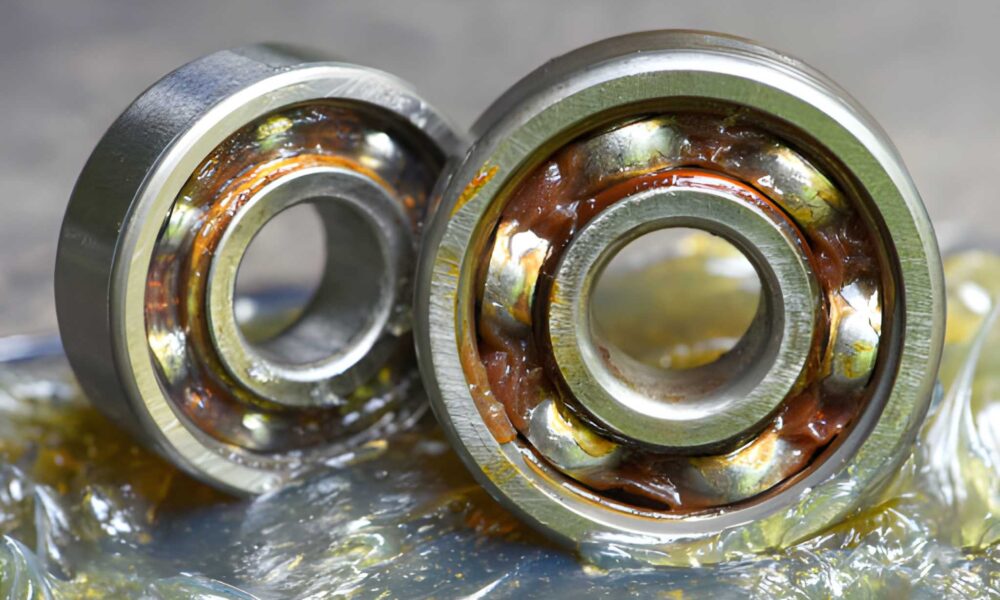
Among essential motion control components, the ball bearing plays a critical role in enabling smooth rotation, reducing mechanical resistance, and maintaining stability. Precision-designed rolling systems ensure controlled motion and reliable performance across high-speed and heavy-load applications.
Accurate manufacturing of rotational support components directly impacts machine efficiency, lifespan, and operational safety. Precision motion systems form the backbone of modern mechanical engineering.
Future of Precision in Industrial Development
As industries move toward automation, robotics, and smart manufacturing, the demand for high-precision mechanical systems continues to grow. Machines are becoming more compact, faster, and more intelligent — yet their success still depends on mechanical accuracy.
Future industrial innovation will rely on micro-engineering, advanced materials, and intelligent integration. Precision components will remain the foundation of industrial performance, enabling sustainable growth and technological advancement.
Conclusion
Precision components shape every aspect of modern machine performance. They control motion, manage friction, distribute loads, and ensure long-term stability across complex mechanical systems. From energy efficiency to reliability and operational excellence, their impact defines industrial success.
High-performance machines are not built by power alone — they are built on accuracy, intelligence, and precision engineering that works silently behind the scenes to keep industries moving forward.