

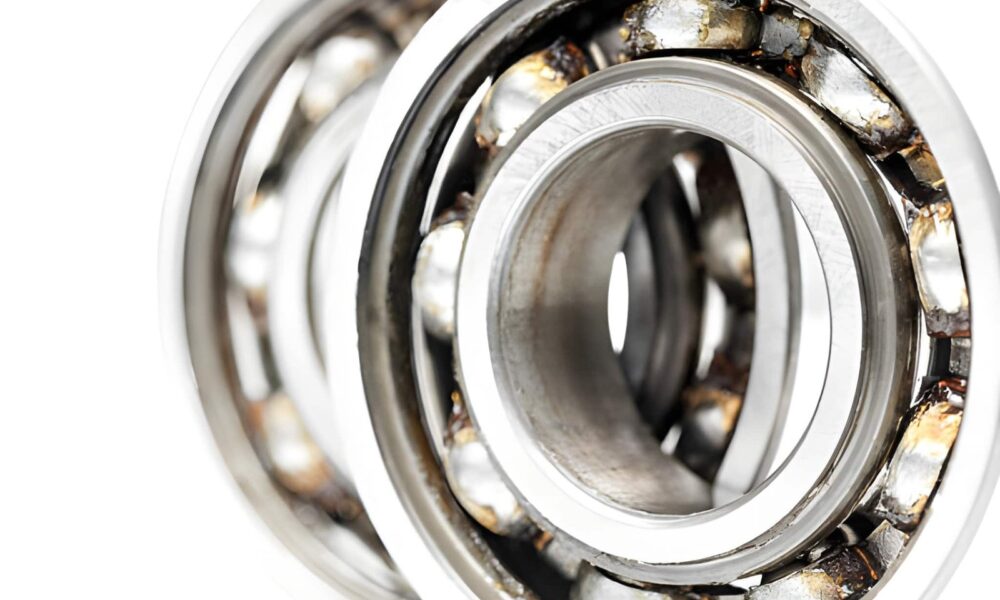
In high-pressure industrial environments, machinery operates under extreme load, constant stress, high temperatures, and continuous rotation. In such conditions, even a small component like a bearing plays a critical role in maintaining smooth operation. If the bearing fails, the entire machine can stop, leading to costly downtime and production loss. That’s why extending bearing life is essential for industrial efficiency and cost control.
To improve durability and performance, it is important to understand not only maintenance practices but also the correct selection and usage of different types of bearing in demanding environments.
1. Choosing the Right Bearing Type
The first step in extending lifespan is selecting the correct bearing type based on application requirements. Different machines require different load-handling capabilities.
For example, a ball bearing is commonly used in high-speed, low to medium-load applications where smooth rotation is required. However, in high-pressure environments, roller or thrust bearing designs may be more suitable depending on the direction of load.
Understanding the correct types of bearing helps reduce unnecessary stress and prevents premature failure.
2. Understanding Load and Pressure Conditions
High-pressure environments create continuous stress on components. If a bearing is not designed to handle that load, it will wear out quickly.
A proper load analysis includes radial load, axial load, and combined forces. When these are not considered, even high-quality bearings fail early. Many industries overlook this step and face frequent breakdowns and repair costs.
3. Importance of Proper Lubrication
Lubrication is one of the most critical factors in bearing life extension. In high-pressure conditions, friction increases significantly, generating heat and wear.
Using the correct grease or oil reduces metal-to-metal contact and helps maintain smooth operation. Inadequate lubrication is one of the leading causes of failure, even in premium bearings.
Regular lubrication schedules should be strictly followed depending on operating conditions and machine workload.
4. Environmental Protection and Sealing
Industrial environments often contain dust, moisture, and chemicals. These contaminants can easily enter the bearing and damage internal components.
Using sealed or shielded bearings is highly recommended in such environments. Proper sealing prevents contamination and ensures longer operational life. In extreme conditions, specially coated bearings or protective housings should be used.
5. Role of NTN Bearings in Industrial Performance
In many industries, premium brands like ntn bearing solutions are preferred due to their durability and engineering precision. These bearings are designed to handle high loads and harsh operating conditions, making them suitable for heavy-duty applications.
Choosing reliable brands helps reduce failure rates and increases overall machine efficiency in demanding environments.
6. Proper Installation and Alignment
Even the best bearing will fail if it is not installed correctly. Misalignment, incorrect fitting, or improper mounting pressure can lead to uneven load distribution.
This creates vibration, heat, and early wear. Precision installation tools and proper alignment techniques should always be used to ensure optimal performance.
7. Maintenance and Regular Inspection
Routine maintenance is essential for extending bearing life. Regular inspection helps detect early signs of damage such as noise, vibration, or overheating.
Industries should implement preventive maintenance instead of reactive repairs. This reduces downtime and improves machine reliability.
8. Use of Different Bearing Types in Heavy Applications
In high-pressure systems, different components serve different purposes. For example, thrust designs handle axial loads, while roller structures support heavy radial pressure. Selecting the right types of bearing for specific machinery ensures balanced performance and reduces stress on individual components.
Conclusion
Extending bearing life in high-pressure industrial environments requires a combination of correct selection, proper lubrication, environmental protection, and regular maintenance. Whether using a ball bearing, specialized industrial solutions, or premium ntn bearing products, the key lies in matching the right bearing with the right application.
By understanding different types of bearing and applying best maintenance practices, industries can significantly reduce downtime, lower repair costs, and improve overall machine efficiency.

No comments