

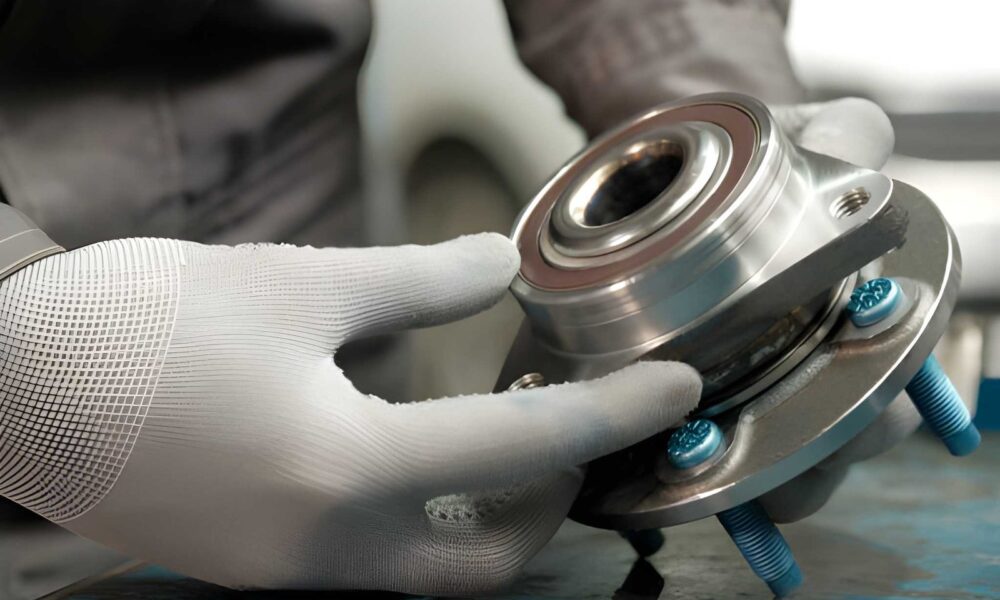
A wheel bearing is an essential component that allows your vehicle's wheels to rotate smoothly while supporting the vehicle's weight. Although wheel bearings are designed to last for thousands of miles, they eventually wear out due to continuous use, poor road conditions, or lack of maintenance. Ignoring early warning signs can lead to reduced driving performance, increased tire wear, and potential safety risks.
In this guide, we'll discuss the most common wheel bearing problems, their causes, symptoms, and practical prevention tips to help keep your vehicle running safely.
What Is Bearing?
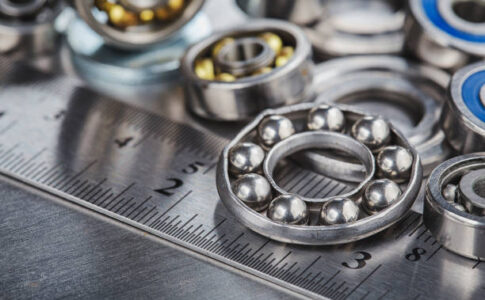
Many people ask, what is bearing? A bearing is a mechanical component that reduces friction between moving parts while supporting rotational or linear movement. Bearings are widely used in automobiles, industrial machinery, electric motors, pumps, conveyors, and manufacturing equipment to ensure smooth and efficient operation.
Common Wheel Bearing Problems
Even high-quality wheel bearings can develop problems over time. Understanding these issues helps you detect them early before they become more serious.
Excessive Wear
Every wheel bearing experiences natural wear after prolonged use. Constant rotation, heavy loads, and road vibrations gradually wear down the internal components, reducing their efficiency. As the bearing continues to wear, it may create additional stress on nearby parts, affecting overall vehicle performance.
Lack of Lubrication
Proper lubrication is essential for smooth bearing operation. When grease dries out or becomes contaminated, friction increases, generating excessive heat that can damage the bearing surfaces. Regular maintenance helps ensure that the bearing remains properly lubricated for maximum performance.
Water and Dust Contamination
Driving through flooded roads, mud, or dusty environments may allow moisture and debris to enter the bearing assembly. Contaminants accelerate wear by damaging the rolling elements and reducing the bearing's service life.
Improper Installation
Incorrect installation is one of the most common reasons for premature bearing failure. Applying uneven force during installation or failing to align the bearing correctly can place unnecessary stress on its internal components.
Impact Damage
Frequent impacts from potholes, curbs, speed bumps, or rough road conditions can gradually damage the wheel bearing. Repeated shock loads may shorten its lifespan and reduce overall reliability.
Symptoms of a Bad Wheel Bearing
Recognizing the warning signs early can prevent costly damage and improve driving safety.
- Grinding, humming, or growling noises while driving.
- Steering wheel vibrations, especially at higher speeds.
- Uneven tire wear caused by improper wheel movement.
- Loose steering feel or wheel play.
- ABS warning light appearing on the dashboard.
Common Causes of Wheel Bearing Failure
Several factors contribute to bearing failure over time.
- Poor road conditions.
- Water or dirt contamination.
- Improper installation techniques.
- Insufficient lubrication.
- Overloading the vehicle.
- Using low-quality replacement parts.
Routine inspections and preventive maintenance can help identify these problems before they become severe.
Using a Bearing Puller During Replacement
Replacing a worn bearing often requires a specialized bearing puller. This tool safely removes the damaged bearing without harming surrounding components such as the hub or axle. Professional technicians rely on the correct puller to make the replacement process safer, quicker, and more accurate.
Roller Bearing vs. Wheel Bearing
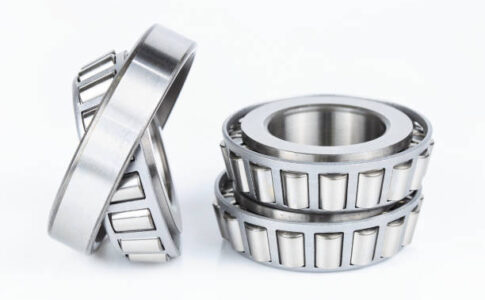
Although both bearings reduce friction, they are designed for different purposes. A roller bearing is commonly used in industrial machinery where heavy radial loads need continuous support. Roller bearings are widely found in conveyor systems, construction equipment, mining machinery, and manufacturing plants because they provide excellent load-carrying capacity and long service life. In comparison, wheel bearings are specifically engineered for automotive applications to ensure smooth wheel rotation and safe driving performance.
What About Linear Bearing?
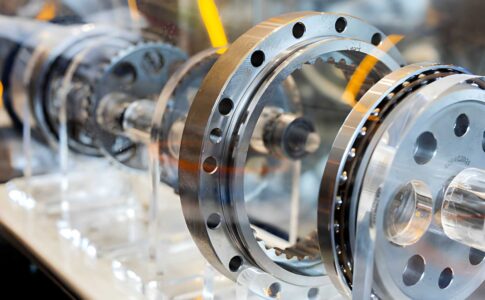
A linear bearing is designed for straight-line motion instead of rotational movement. These bearings are commonly used in CNC machines, robotics, packaging equipment, automation systems, and precision manufacturing applications where smooth linear movement is required.
How to Prevent Wheel Bearing Problems
- Inspect wheel bearings during regular vehicle servicing.
- Avoid driving through deep water whenever possible.
- Drive carefully over potholes and rough roads.
- Replace damaged seals immediately.
- Use high-quality replacement bearings.
- Ensure proper installation using recommended procedures.
- Follow the manufacturer's maintenance schedule.
Following these preventive measures can significantly extend bearing life and improve overall vehicle safety.
Why Early Inspection Matters
Many drivers ignore small noises until they develop into major mechanical problems. Early inspection allows technicians to identify bearing wear before it affects other components such as the hub, brakes, axle, or tires. Addressing the issue promptly helps maintain vehicle safety, improves driving comfort, and reduces the risk of unexpected breakdowns.
Conclusion
Wheel bearings are essential for smooth, safe, and reliable vehicle operation. Understanding the common causes of failure, recognizing early warning signs, and following proper maintenance practices can help extend their service life. Whether you notice unusual noises, vibrations, or uneven tire wear, taking action early is always the best approach. Investing in quality bearing products and ensuring professional installation will help keep your vehicle performing at its best for years to come.

No comments