

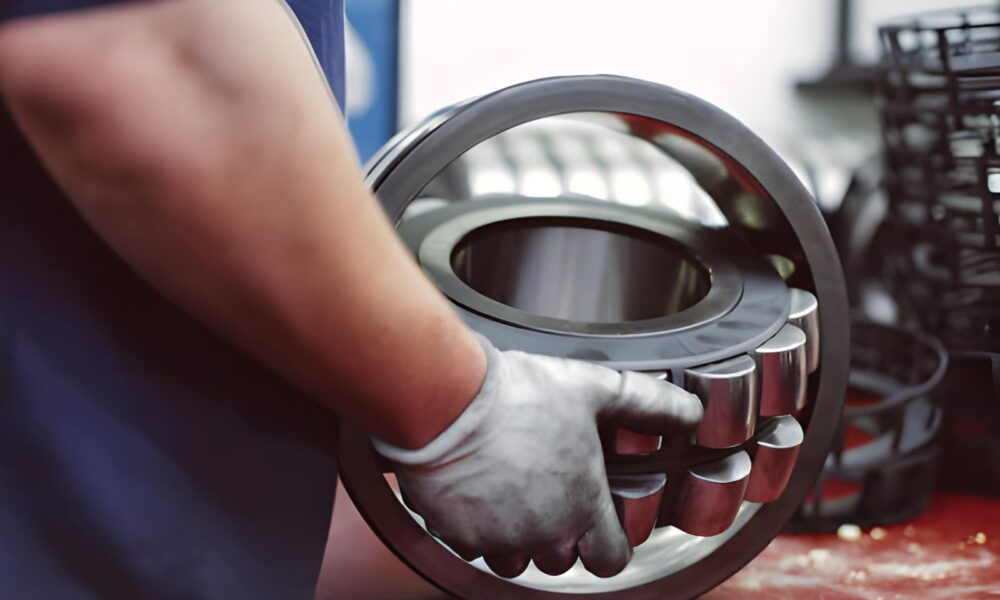
Selecting the right bearing material is one of the most important decisions in ensuring the efficiency, reliability and lifespan of industrial machinery. Bearings operate under different loads, speeds, temperatures, and environmental conditions, and no single material works best for every situation. Choosing the wrong material can lead to early failure, increased maintenance costs, and machine downtime.
This guide explains how to select the right bearing material based on different industrial conditions in a simple and practical way.
1. Understanding Bearing Material Basics
Common bearing materials used in industries include:
- Bearing Steel (Chrome Steel)
- Stainless Steel
- Ceramic
- Bronze (Copper-based alloys)
- Polymer (Plastic-based materials)
- Hybrid combinations (Steel + Ceramic balls)
Each material has different strengths depending on operating conditions.
bearing selection depends heavily on environment and application.
2. Bearing Steel – Best for General Industrial Use
Bearing steel (especially chrome steel like SAE 52100) is widely used in industrial bearings.
Suitable Conditions:
- Moderate loads
- Normal operating temperatures
- Clean environments
Advantages:
- High strength and hardness
- Cost-effective
- Long service life
Limitations:
- Prone to corrosion in moisture
- Not suitable for extreme environments
3. Stainless Steel Bearings – For Corrosive Environments
Stainless steel bearings are ideal for corrosive environments and industries where moisture or chemicals are present.
They are widely used in heavy-duty applications like cement, steel, and power plants.
bearing material selection is critical in such harsh conditions.
Suitable Conditions:
- Food processing industry
- Marine applications
- Chemical exposure environments
Advantages:
- Excellent corrosion resistance
- Good for humid environments
- Hygienic applications
Limitations:
- Lower load capacity than steel
- Higher cost
4. Ceramic Bearings – For High Speed Applications
Suitable Conditions:
- High-speed machinery
- High temperature environments
- Precision instruments
Advantages:
- Low friction
- High temperature resistance
- Lightweight and durable
Limitations:
- Expensive
- Brittle under shock loads
5. Bronze Bearings – For Heavy Load Applications
Suitable Conditions:
- Heavy machinery
- Construction equipment
- Agricultural machines
Advantages:
- High load capacity
- Good wear resistance
- Works in low lubrication conditions
Limitations:
- Not suitable for high speed
- Requires proper alignment
6. Polymer Bearings – Lightweight and Low Maintenance
Suitable Conditions:
- Light load applications
- Food-grade environments
- Corrosive environments
Advantages:
- Self-lubricating
- Corrosion resistant
- Quiet operation
Limitations:
- Low load capacity
- Not for high temperature use
7. Hybrid Bearings – Advanced Performance
Suitable Conditions:
- High-speed machinery
- Precision equipment
- Electrical insulation needs
Advantages:
- Low friction
- Long lifespan
- High speed capability
Limitations:
- High cost
8. Key Factors to Consider
- Load Type: Heavy or light load
- Speed: High or low rotation speed
- Temperature: Heat resistance requirement
- Environment: Moisture, chemicals, or dust exposure
- Maintenance: Lubrication and service needs
Conclusion
Choosing the right bearing material is essential for machine efficiency and long-term reliability. Each material
has its own strengths, and selecting the right one depends on operating conditions such as load, speed, temperature,
and environment. Proper selection helps reduce downtime and increases machinery lifespan.