

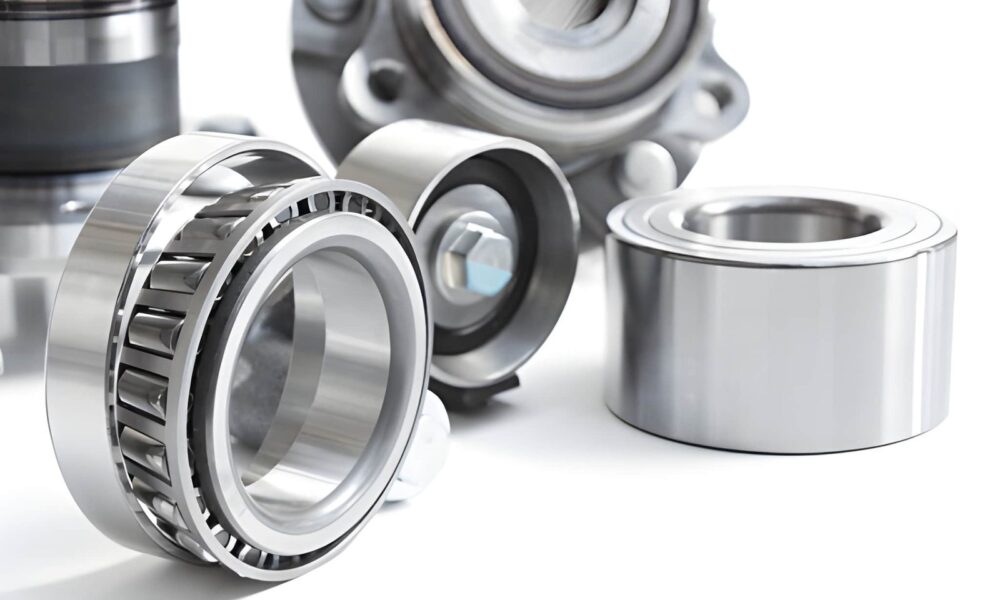
In industrial environments, bearings play a crucial role in keeping machinery running smoothly. Choosing the right bearing affects performance, durability, and maintenance costs. One common question is: are imported bearings always better than local ones? Let’s explore the factors that determine which option is best.
Understanding Bearings
A bearing is a mechanical component that reduces friction between moving parts and supports loads. Selecting the correct bearing ensures efficiency and longevity, while poor choices can lead to unexpected failures and higher costs. For example, learning about NTN bearings can help you make an informed decision.
Imported Bearings: Quality and Consistency
Imported bearings are often praised for precision engineering, high-quality materials, and strict quality checks. Brands like NTN are known for reliability, consistent performance, and long operational life. They may be more suitable for high-speed or heavy-load machinery.
However, imported bearings usually cost more, so companies must weigh whether the higher price is justified by increased performance and lifespan.
Local Bearings: Affordability and Accessibility
Local bearings are generally more affordable and easier to source. Modern manufacturers are improving quality, and local bearings can perform well for many applications. While they might not match the precision of imported brands, proper usage, installation, and maintenance can make a significant difference.
Factors to Consider Before Choosing
When deciding between imported and local bearings, consider:
- Application requirements: Heavy machinery may need imported bearings.
- Cost vs lifespan: Local bearings can be cost-effective with proper care.
- Environmental conditions: Harsh conditions may require high-grade imported bearings.
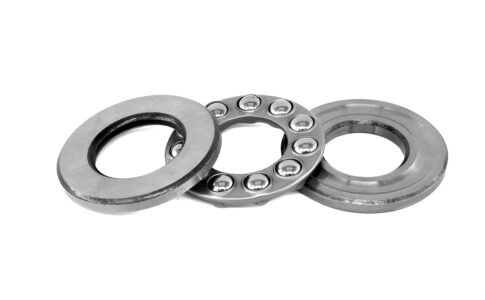
- Types of bearing: Choosing the correct type, like thrust bearing, is crucial for optimal performance.
- Brand reputation: Trusted brands often provide better quality and support.
Ball Bearings and Thrust Bearings
Understanding different types of bearing is essential. Ball bearings are suitable for moderate loads and rotational speeds, while thrust bearings handle axial loads in high-performance machines. Both imported and local options exist, but proper selection depends on application rather than origin.
Maintenance Matters More Than Origin
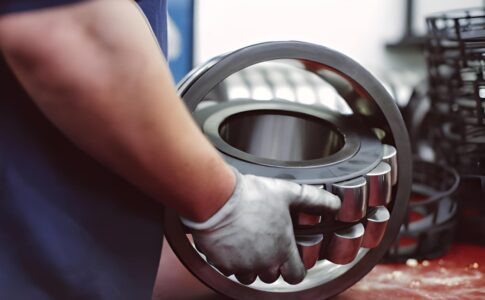
Even the best imported bearings can fail if not installed or maintained correctly. Conversely, local bearings can perform exceptionally well when proper maintenance practices are followed. Implementing modern maintenance methods can extend bearing life, improve efficiency, and reduce downtime.
Final Thoughts
Imported bearings are not automatically superior to local ones. While they may offer higher precision and durability, local bearings can still be a practical choice depending on the application and environment. The key is to choose the right bearing type, maintain it properly, and ensure it meets the machine’s requirements.


No comments