

In modern industrial operations, machine downtime is one of the most costly problems companies face. Even a few hours of unexpected breakdown can lead to production delays, missed deadlines, and financial losses. One of the most critical yet often overlooked reasons behind downtime is poor planning of spare parts—especially when it comes to bearings.
These small mechanical components play a huge role in keeping machines running smoothly. From supporting rotating parts to reducing friction, bearings are used in almost every type of industrial machinery. If they are not managed properly in inventory, even a minor failure can bring the entire production line to a stop.
Why Bearings Are Critical in Industrial Machines
Bearings are designed to reduce friction between moving parts and ensure smooth rotation. Without them, machines would experience excessive heat, vibration, and wear, leading to frequent breakdowns.
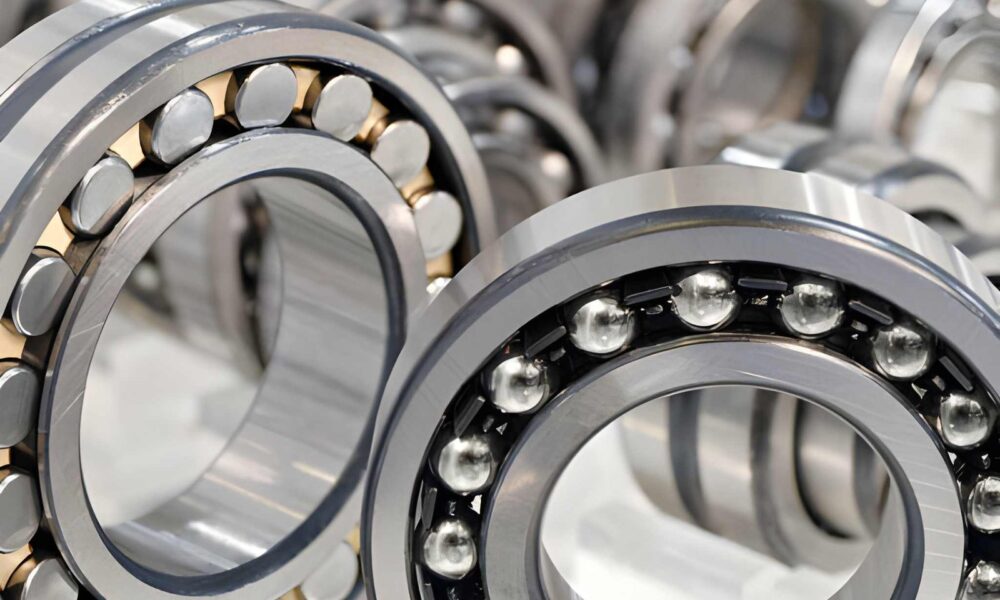
There are different types of bearings used in industries depending on load and application. For example, ball bearings are commonly used in motors and conveyors due to their ability to handle radial loads efficiently. Thrust bearings are used where axial loads are higher, such as in vertical shafts and heavy-duty machinery.
When any of these components fail, machines cannot function properly. That is why spare parts planning must always prioritize bearing availability.
The Role of NTN Bearings in Industrial Reliability
High-quality components significantly reduce downtime risk. For instance, NTN bearings are widely used in industrial applications due to their durability, precision engineering, and long service life.
These bearings are designed to operate under heavy loads and harsh conditions while maintaining smooth performance. Industries prefer them because they reduce the frequency of replacements and help machines run longer without interruption.
Why Poor Spare Parts Planning Leads to Downtime
- No proper tracking of bearing inventory
- Over-reliance on urgent procurement during breakdowns
- Lack of understanding of which bearings are critical
- Using incorrect replacement parts
- Not forecasting wear and tear cycles
When a bearing fails and the replacement is not available immediately, the machine stays idle. This waiting period directly increases downtime and production loss.
Smart Spare Parts Planning Strategy
1. Identify Critical Equipment
Start by identifying machines that are most important for production.
2. Classify Bearings by Usage
- Frequently replaced bearings
- Moderately used bearings
- Rare but critical bearings
3. Maintain Minimum Stock Levels
Always keep a buffer stock of essential bearings for immediate replacement.
4. Use Predictive Maintenance Data
Modern industries use data to predict bearing failure before it happens.
5. Standardize Bearing Types
Using standard ball bearings and thrust bearings reduces confusion and simplifies inventory.
Importance of Quality in Spare Parts Planning
High-quality industrial bearings ensure longer life, better performance, and fewer breakdowns. Poor-quality components often increase downtime instead of reducing it.
Common Mistakes to Avoid
- Ignoring early warning signs like noise or vibration
- Not updating inventory records regularly
- Mixing incompatible bearing types
- Keeping obsolete spare parts
- Lack of trained maintenance staff
Benefits of Smart Spare Parts Planning
- Reduced unexpected breakdowns
- Lower maintenance costs
- Higher production efficiency
- Better resource utilization
- Longer machine life
Conclusion
Machine downtime can be significantly reduced with smart spare parts planning. Proper management of critical components like bearings ensures smooth operations and long-term productivity.