


Industrial machinery works under constant pressure. Shafts rotate, bearings move, gears operate, and different components remain exposed to friction and heat. Without proper lubrication, even a well-designed machine can experience unnecessary wear, overheating, noise, and unexpected downtime.
This is where choosing the right grease oil becomes important. The right lubricant helps reduce friction, protect moving parts, and keep machinery running smoothly. But with so many types of industrial grease available, how do you know which one is suitable for your equipment?
Let's look at the important factors you should consider when selecting grease for shafts and other industrial machinery components.
What Is Grease Oil and Why Is It Important?
Grease oil is commonly used to lubricate mechanical components that operate under demanding conditions. Unlike thinner lubricating oils, industrial grease is designed to remain in place for longer periods and provide continuous protection to moving parts.
It helps reduce metal-to-metal contact between components while protecting surfaces from wear and corrosion. Proper lubrication can also help control operating temperatures and improve the overall reliability of machinery.
For equipment that operates continuously or carries heavy loads, selecting a suitable grease can make a noticeable difference in maintenance requirements and machine performance.
Why Is the Right Grease Important for Shafts?
A rotating shaft is constantly exposed to mechanical movement and friction. Depending on the machine, it may also deal with heavy loads, high speeds, vibration, moisture, or elevated temperatures.
Using an unsuitable lubricant can cause problems such as excessive friction, overheating, premature wear, and lubricant breakdown.
A grease shaft application therefore needs a lubricant that matches the operating conditions of the equipment. The goal is not simply to apply more grease, but to use the right type and amount for the specific shaft and surrounding components.
Consider the Operating Temperature
Temperature is one of the first things to check before selecting industrial grease.
Machines operating at high temperatures require grease that can maintain its properties without breaking down too quickly. On the other hand, equipment working in cold environments may need a lubricant that remains flexible and performs properly at lower temperatures.
Always check the manufacturer's recommended temperature range before choosing a product. Using grease outside its suitable temperature range can reduce its effectiveness and may lead to lubrication failure.
Check the Load and Pressure
Not every machine operates under the same load. Some shafts and bearings handle relatively light loads, while others are exposed to heavy pressure and shock loading.
For heavily loaded machinery, you may need grease with properties designed to provide better protection under pressure. Extreme-pressure (EP) greases are commonly used in applications where components experience high loads and demanding operating conditions.
Choosing grease according to the actual load helps reduce surface damage and supports longer component life.
Think About Speed and Machine Movement
Speed is another important consideration. A lubricant that works well for a slow-moving, heavily loaded component may not be the best choice for a high-speed application.
High-speed shafts can generate additional heat because of friction and movement. In such cases, the grease needs to provide adequate lubrication without creating excessive resistance.
Before selecting grease for your equipment, consider how fast the shaft, bearing, or other moving component normally operates. Manufacturer specifications should always be used as the primary reference.
Consider Moisture, Dust, and Other Contaminants
Industrial machinery doesn't always operate in clean and dry environments. Equipment may be exposed to water, dust, chemicals, dirt, or other contaminants.
If moisture enters a lubrication area, it can contribute to corrosion and affect the performance of the lubricant. In dusty environments, contamination can also damage bearings and other moving parts.
For these applications, choose a grease that offers suitable resistance to water and environmental contaminants. Proper seals and regular inspection are also important because even high-quality grease cannot compensate for damaged seals or severe contamination.
Choose the Right Grease Consistency
Industrial greases come in different consistency grades. The consistency determines how easily the grease flows and how well it stays in place during operation.
A grease that is too soft may not remain where it is needed, while one that is too stiff may not distribute properly through the component.
The correct consistency depends on factors such as temperature, speed, equipment design, and application method. Following the equipment manufacturer's recommendation is usually the safest approach.
Don't Mix Different Greases Without Checking Compatibility
One common lubrication mistake is mixing two different types of grease simply because both appear suitable.
Different grease formulations may contain different base oils, thickeners, and additives. When incompatible products are mixed, the resulting lubricant may lose some of its expected performance characteristics.
If you need to change the grease being used, check compatibility first. In some situations, the old lubricant may need to be removed before applying the new product.
How Often Should Industrial Shafts Be Greased?
There is no single lubrication schedule that works for every machine. The correct interval depends on operating speed, load, temperature, environmental conditions, component design, and the type of grease being used.
Over-greasing can be just as problematic as under-greasing. Excess grease can increase friction and temperature, particularly in bearings and high-speed applications.
Instead of adding grease whenever a component appears noisy, follow the manufacturer's recommended lubrication interval and monitor the equipment for signs of abnormal operation.
Signs That Your Machinery May Need Better Lubrication
Your equipment can often give you warning signs when lubrication isn't working properly. Watch for:
- Unusual noise or vibration
- Increased operating temperature
- Excessive friction
- Visible grease leakage
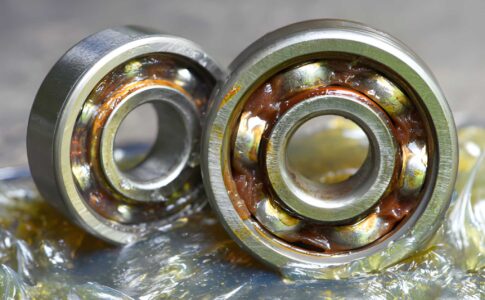
- Discolored or degraded lubricant
- Premature bearing or shaft wear
- More frequent equipment breakdowns
These signs don't always mean the grease is the only problem. Misalignment, contamination, incorrect installation, damaged seals, and worn components can also cause similar symptoms. A proper inspection can help identify the actual cause.
Final Thoughts
Choosing the right grease oil for industrial machinery is about more than simply selecting a lubricant and applying it to a component. You need to consider temperature, load, speed, environmental conditions, grease consistency, and compatibility with the existing lubricant.
For a grease shaft application, proper lubrication can help reduce friction, control wear, and support smoother machine operation. Most importantly, always follow the equipment manufacturer's recommendations and use the correct quantity at the correct intervals.
A good lubrication strategy can help prevent avoidable failures, reduce maintenance issues, and keep industrial equipment performing reliably for longer.


No comments