

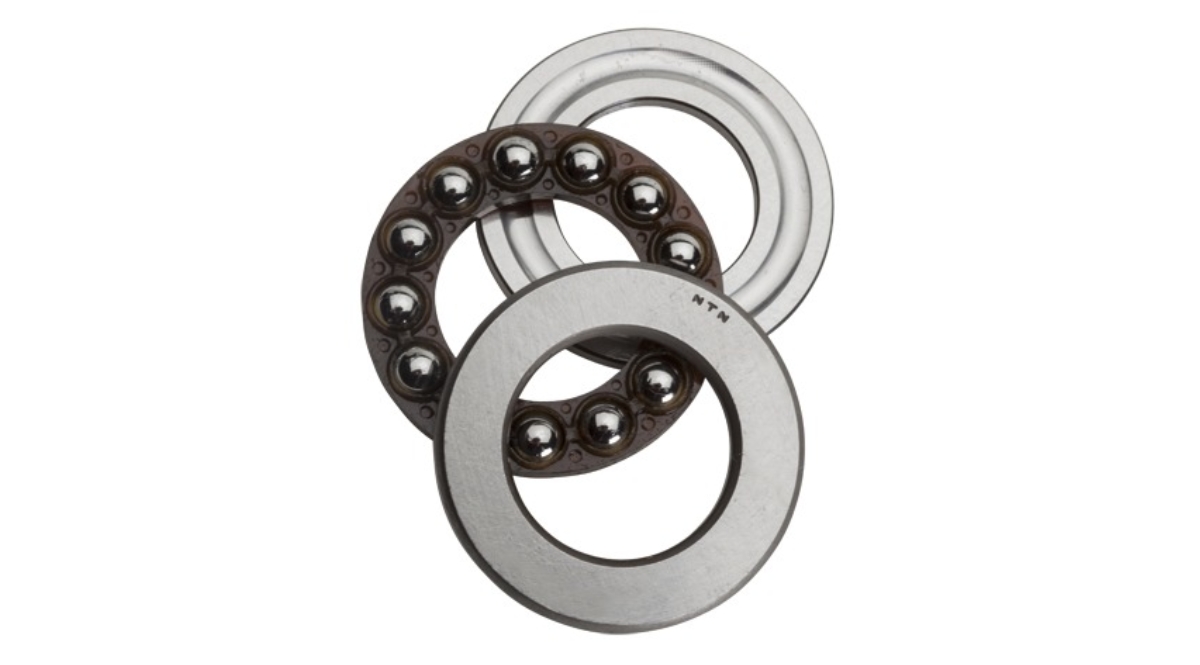


Thrust Bearing
Thrust bearings are designed to support axial loads, making them an important component in machinery where forces act along the shaft. At Noormsons, we provide bearing solutions for industrial and mechanical applications where dependable load support and smooth rotation are required. If your equipment experiences continuous axial pressure, selecting the correct thrust bearing can help maintain stable operation and reduce unnecessary wear.
What Is a Thrust Bearing?
A thrust bearing is a type of bearing designed primarily to accommodate axial loads. Unlike standard radial bearings, which mainly support forces acting perpendicular to the shaft, thrust bearings are intended for forces that act parallel to the shaft.
Depending on the design, a thrust bearing may use balls or rollers between specially shaped races or washers. This arrangement allows rotating components to move smoothly while managing axial forces within the assembly.
Thrust bearings are available in different configurations, so the correct type should be selected according to the load direction, load magnitude, rotational speed, space limitations, lubrication requirements, and operating environment.
Types of Thrust Bearings
There are several types of thrust bearing designs used in mechanical systems. Thrust ball bearings are generally suited to applications where axial loads are moderate and smooth rotation is required. Roller-based designs can provide greater load-carrying capability and are often selected for demanding industrial equipment.
Depending on the application, roller bearing designs may include cylindrical, tapered, or spherical arrangements. Each configuration has different characteristics and should be matched to the machine’s load and operating conditions.
Understanding the available types of bearing is important when replacing a worn component. Choosing a bearing based only on its physical appearance can result in incorrect fitment or reduced service life.
Common Thrust Bearing Applications
Thrust bearings are used in many systems where axial forces need to be controlled. Common applications include gearboxes, pumps, compressors, automotive systems, machine tools, conveyors, cranes, and other industrial equipment.
In rotating machinery, excessive axial movement can affect alignment and place additional stress on shafts, gears, and other components. A properly selected thrust bearing helps manage this movement and supports stable operation.
The exact bearing type depends on the equipment design. For example, a machine operating under heavy axial loads may require a roller-based solution, while another application may be better suited to a thrust ball bearing.
How to Select the Right Thrust Bearing
Selecting the right thrust bearing requires more than checking the bearing size. Start by identifying the direction and magnitude of the axial load. Next, consider the shaft dimensions, housing arrangement, rotational speed, operating temperature, lubrication, and available installation space.
The bearing’s load capacity should be suitable for the actual operating conditions. It is also important to check whether the application involves continuous or intermittent loading. Incorrect selection can lead to excessive heat, vibration, noise, premature wear, or unexpected equipment failure.
When replacing an existing bearing, checking the original bearing number and dimensions can make identification easier. If the bearing number is unavailable, providing shaft dimensions, housing measurements, and application details can help determine a suitable option.
Why Bearing Quality Matters
A quality thrust bearing can contribute to smoother operation and more reliable equipment performance. Properly manufactured components provide consistent contact between rolling elements and raceways, helping manage friction and load effectively.
However, even a high-quality bearing requires correct installation and maintenance. Proper lubrication, shaft alignment, cleanliness, and regular inspection can help extend bearing service life. Signs such as unusual noise, excessive vibration, increased operating temperature, or visible damage should be investigated promptly.
Thrust Bearing Supplier in Pakistan
For businesses sourcing bearings in Pakistan, choosing a supplier with experience in bearing applications can make product selection easier. Noormsons offers bearing solutions for a range of industrial and mechanical requirements, helping customers identify suitable components according to their equipment needs.
Whether you need a replacement thrust bearing for maintenance or a new bearing for an industrial application, you can enquire by sharing the bearing number, dimensions, machine type, or operating requirements.
Get the Right Thrust Bearing for Your Equipment
The correct thrust bearing can help your machinery handle axial loads while maintaining smooth and stable movement. Before purchasing, consider the load, speed, dimensions, operating conditions, and bearing design required for the application.
If you need a thrust bearing for industrial machinery, automotive equipment, pumps, gearboxes, or other rotating systems, contact Noormsons for assistance. Providing your equipment or bearing details can help you find a suitable solution for your application.
For detailed bearing specifications and product information, view our catalogues for further reference.