

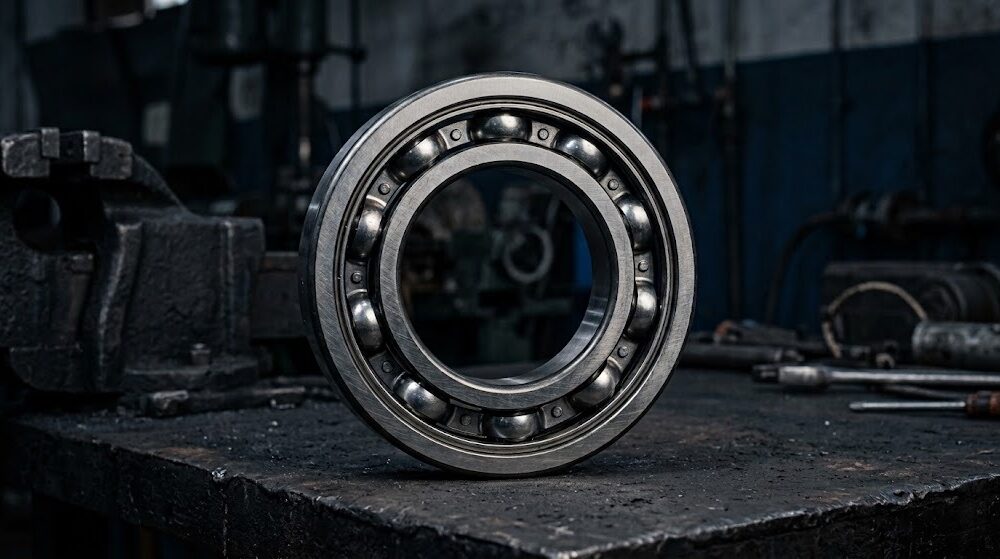
If you have ever requested quotes for the same bearing from three different suppliers in Pakistan, you know the frustration. One price is double the other, and nobody explains why. The truth is that industrial bearing cost is not random. It depends on a handful of factors that every plant manager, procurement officer and workshop owner should understand before placing an order.
Here are the seven factors that matter most.
1. Brand and Manufacturing Origin
Brand is the biggest price driver. Premium European and Japanese manufacturers invest heavily in metallurgy, precision grinding and quality control. Their bearings carry a higher price tag, but they also deliver tighter tolerances and longer service life. Mid-range brands from other regions offer a balance between cost and performance, while unbranded or economy bearings sit at the bottom of the price ladder.
The country of manufacture also matters. Two bearings with the same designation can be priced very differently depending on where and how they were made. Always check the markings and the packaging rather than relying on the label alone.
2. Bearing Type and Design
A deep groove ball bearing costs far less than a spherical roller bearing of similar bore size. Complexity drives price. Tapered roller bearings, cylindrical roller bearings, angular contact bearings and self-aligning bearings each require different manufacturing steps and materials.
Special designs such as sealed, shielded, split-housing or high-temperature variants add further cost. Choosing the right type for your application is the first step to controlling your budget, because over-specifying wastes money and under-specifying costs more in downtime. If you are unsure, explore the range of industrial bearings available in Pakistan and compare types side by side.
3. Size, Load Capacity and Material Quality
Bigger bearings use more steel, and more steel means a higher price. But size is only part of the story. Load rating, speed rating and material grade all influence cost. High-carbon chrome steel is standard, while applications involving corrosion, heat or food contact may need stainless steel or ceramic components, which are considerably more expensive.
Heat treatment and surface finish also affect durability. A bearing that costs a little more upfront often runs thousands of hours longer, which is where real savings come from.
4. Genuine vs. Counterfeit Products
Counterfeit bearings are a serious issue in the Pakistani market. They look almost identical to genuine ones, and they are cheap for a reason. Inferior steel, poor lubrication and loose tolerances lead to early failure, sometimes damaging the shaft or housing along with it.
A suspiciously low price should always be a warning sign. Buying genuine bearings in Pakistan from an established supplier protects you from the hidden cost of fake products: unplanned stoppages, repeat replacements and safety risks.
5. Import Duties, Taxes and Exchange Rate
Almost all premium industrial bearings used in Pakistan are imported. That means customs duty, sales tax, withholding tax and clearing charges are built into the final price. When the rupee weakens against the dollar, euro or yen, landed costs rise immediately.
This is why bearing prices can change from one quarter to the next even when the manufacturer has not changed its list price. If you have a large or recurring requirement, ask your supplier about price validity periods and consider planning purchases ahead of expected currency movements.
6. Supplier Type, Stock Availability and Order Quantity
Where you buy matters. An authorized distributor who holds local stock will charge differently from a trader who imports on demand. Local stock saves you weeks of lead time, which has a real cost value when a production line is waiting.
Order quantity plays a role too. Buying in bulk or setting up a regular supply arrangement usually earns better rates than one-off purchases. Some suppliers also offer technical support, correct bearing selection and after-sales service, and these are part of what you pay for. A rock-bottom quote with no support can end up more expensive than a fair one with expert guidance.
7. Total Cost of Ownership, Not Just Purchase Price
This is the factor many buyers overlook. The purchase price is only a fraction of what a bearing costs over its lifetime. Consider:
- Downtime: A single hour of stoppage in a cement, textile or steel plant can cost far more than the bearing itself.
- Energy use: Poor-quality bearings create more friction, which raises power consumption.
- Maintenance labour: Frequent replacements mean more man-hours and more lubricant.
- Collateral damage: A failed bearing can ruin shafts, seals and housings.
When you compare quotes, compare expected service life and reliability as well. A bearing that lasts three times longer at 1.5 times the price is the cheaper option.
How to Get the Best Value
Start by confirming the exact bearing designation, dimensions and operating conditions. Ask for genuine product documentation, compare at least two reliable suppliers, and never choose on price alone. Where possible, standardize on a few trusted brands to simplify inventory and negotiate better terms.
If you want a clear quote and honest technical advice, contact a trusted bearing supplier in Pakistan and discuss your requirement before you buy.
Final Thoughts
Industrial bearing cost in Pakistan comes down to brand, type, size and material, authenticity, taxes and currency, supplier terms, and above all total cost of ownership. Once you understand these seven factors, price differences stop being confusing and start making sense. The smartest buyers are not the ones who find the cheapest bearing, but the ones who find the right bearing at a fair price from a supplier they can trust.



No comments