

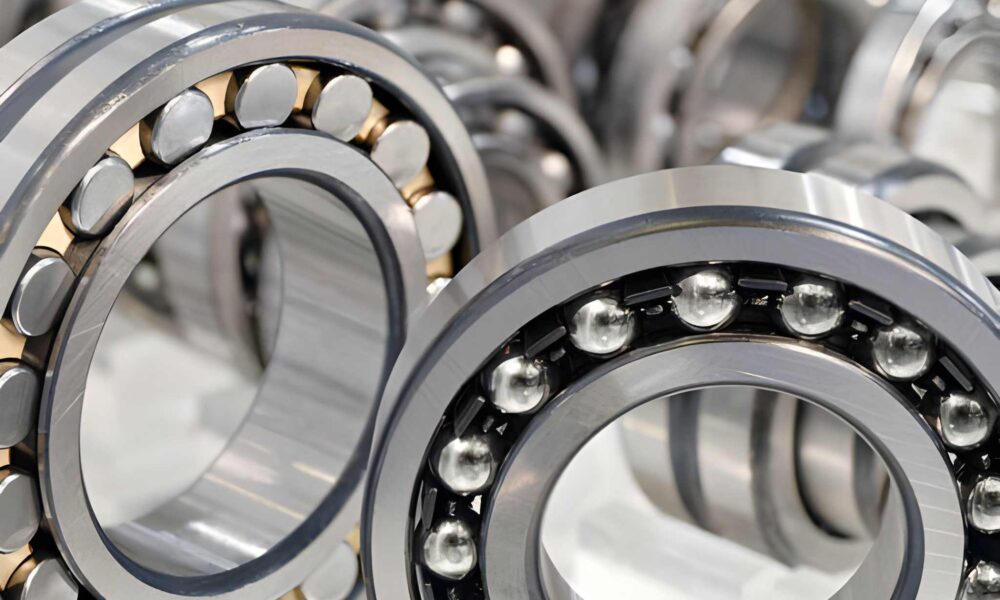
In modern industrial environments, machines rely on precise mechanical motion support systems to maintain smooth and efficient operation. These systems play a critical role in controlling motion, handling loads, and reducing friction, ensuring reliability and longevity of equipment. Among the most vital components in these systems are types of bearing, which form the backbone of mechanical motion support.
The Role of Mechanical Motion Support Systems
Mechanical motion support systems are designed to ensure that moving parts within machinery operate seamlessly. They maintain alignment, reduce unwanted vibrations, and distribute load evenly across components. Properly designed support systems minimize energy loss and prevent early wear of critical parts, which is essential in high-speed or heavy-duty industrial applications.
Key Components and Types of Bearing
A major part of mechanical motion support is the types of bearing used in machines. Bearings reduce friction between moving parts and help in transferring loads smoothly. Common types include:
- Ball Bearings: Ideal for handling both radial and axial loads, offering low friction and high-speed performance.
- Roller Bearings: Designed for heavier loads with moderate speeds, providing excellent durability.
- Thrust Bearings: Specialized in handling axial loads, commonly used in automotive and industrial machinery.
- Needle Bearings: Compact design suitable for limited spaces with high load capacity.
Each bearing type is chosen based on load type, speed requirements, and operational environment. Proper selection ensures machines operate efficiently with minimal maintenance.
Benefits of Well-Designed Motion Support Systems
- Reduced Friction: Smooth operation lowers energy consumption and prevents excessive heat generation.
- Enhanced Load Distribution: Even load handling extends component life and protects machine integrity.
- Improved Stability: Minimizes vibration and ensures consistent performance during high-speed operations.
- Lower Maintenance Costs: Longer-lasting components reduce downtime and repair expenses.
Applications in Modern Industry
Mechanical motion support systems are found across various industries including automotive, packaging, manufacturing, and energy. From conveyor belts to robotic arms, precision bearings ensure smooth, efficient, and reliable operation. High-performance systems leverage these components to meet strict productivity and quality standards.
Conclusion
Mechanical motion support systems are essential for modern industrial machinery. The correct choice of types of bearing and careful design of supporting components ensures smooth motion, load handling, and energy efficiency. By integrating high-quality motion support systems, industries can achieve reliable, long-lasting, and cost-effective machine performance.