


A Ball Bearing is one of the most important components used in machines today. Whether it’s a heavy industrial motor or a small household appliance, ball bearings ensure smooth rotation, reduce friction, and support load efficiently. Their structure may look simple, but the engineering behind them is precise and essential for modern machinery.
In this article we explain how ball bearings function, what their working principle is, and why industries rely on them to keep equipment running flawlessly.
What Is a Ball Bearing?
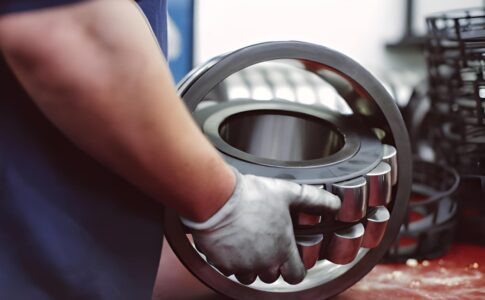
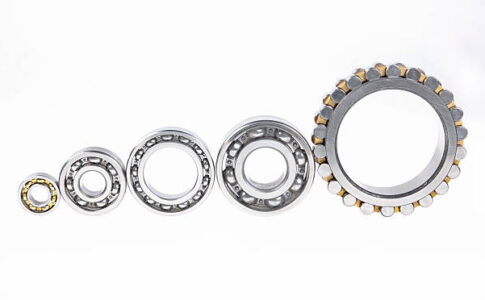
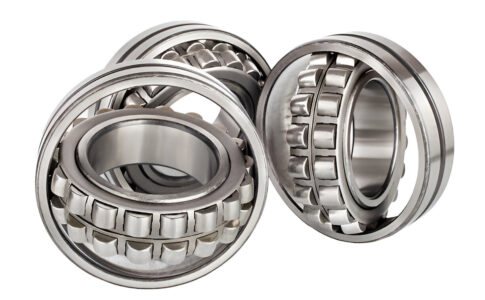
A ball bearing is a mechanical device designed to reduce friction between moving parts. It supports both radial and axial loads, allowing machine parts to rotate with minimal resistance. The typical ball bearing includes:
- Inner ring
- Outer ring
- Balls
- Cage (retainer)
Each part works together to create stable, smooth, and efficient motion inside the machine.
How Ball Bearings Work — The Core Principle
The working principle of ball bearings is based on a simple concept:
Ball bearings reduce friction through rolling instead of sliding.
When a machine shaft rotates, the inner ring rotates with it. The balls roll between the inner and outer rings, creating smooth and low-friction motion. This rolling action makes ball bearings highly efficient, long-lasting, and suitable for high-speed operations.
Detailed Working of Each Component
Inner Ring
The inner ring is mounted on the rotating shaft. Since it rotates with the shaft, it causes the balls inside the bearing to roll.
Outer Ring
The outer ring is fixed inside the machine housing and does not rotate. The balls roll against the outer ring, creating smooth rotational movement.
Balls
The balls are the central elements that reduce friction. As the inner ring rotates, the balls roll instead of slide — and rolling creates far less friction, reducing wear and heat. High-quality bearings use perfectly round, polished steel or ceramic balls to enhance performance and durability.
Cage (Retainer)
The cage keeps balls equally spaced and prevents them from touching one another. It helps distribute load evenly and prevents collisions that would cause noise, friction, and failure.
Types of Loads Ball Bearings Handle
Ball bearings are used because they can manage two kinds of forces:
Radial Load
A load applied perpendicular to the shaft. Example: a rotating fan or electric motor.
Axial Load
A load applied parallel to the shaft. Example: a vertical shaft supporting upward or downward pressure.
Deep groove ball bearings are commonly used because they support both radial and moderate axial loads effectively.
Why Ball Bearings Are So Efficient
- Low friction: Rolling motion produces far less friction than sliding.
- High-speed performance: Ideal for high-RPM machinery because they generate minimal heat.
- Long machine life: Reduced wear and heat ensure durability.
- Low maintenance: With proper lubrication, bearings operate smoothly for long periods.
- Versatility: Used across motors, pumps, gearboxes, conveyors, compressors, and more.
Factors That Affect Bearing Performance
Even high-quality bearings can fail if not maintained properly. Key factors include:
- Lubrication quality: Proper lubrication minimizes metal contact and heat.
- Contamination: Dirt, dust, or moisture can damage bearing surfaces.
- Overloading: Using a bearing smaller than the required load capacity causes premature failure.
- Misalignment: If the shaft and housing are not aligned correctly, extra stress is created inside the bearing.
Ball Bearings in Industrial Applications
Ball bearings play a major role in industrial machinery. They are commonly found in:
Electric motors, conveyor systems, heavy-duty industrial equipment, agricultural machinery, HVAC units, automotive parts, pumps and compressors, and machine tools.
In all these applications, a Ball Bearing ensures smooth rotation, reduced friction, and stable performance.
Why Choosing the Right Ball Bearing Matters
Selecting the correct ball bearing ensures longer machine life, reduced downtime, lower energy consumption, better operational efficiency and higher productivity. This is why industries rely on trusted suppliers and premium bearings to avoid unexpected failures and costly repairs.
Final Thoughts
Ball bearings may be small components, but they are essential for the smooth functioning of modern machinery. Their ability to reduce friction through rolling motion makes them efficient, durable, and suitable for a wide range of applications. Understanding how they function and their working principle helps industries choose the right bearing for optimal performance.

No comments