

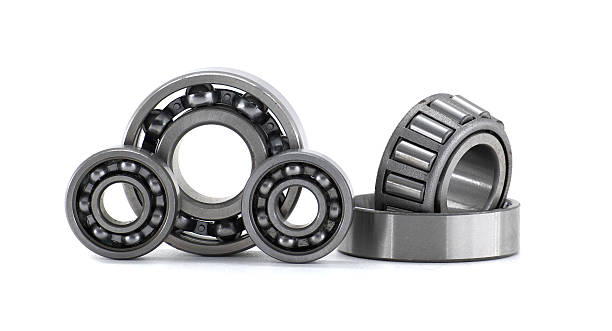
Industrial machines depend on many small but important components to keep running smoothly. One of the most critical parts is the bearing. Bearings help reduce friction between moving parts and allow machines to operate efficiently. When bearings work properly, machines run smoothly, quietly, and with less wear. However, when a bearing begins to fail, it can cause serious damage to equipment and lead to costly downtime.
Many technicians and machine operators search for ways to identify bearing failure, recognize bad bearing symptoms, or understand the signs of a failing bearing before the machine stops working completely. Recognizing these early warning signs can help prevent expensive repairs and keep equipment operating efficiently.
Here are five common warning signs that your machine bearings may be about to fail.
1. Unusual Noise from the Machine
One of the earliest signs of bearing failure is unusual noise coming from the machine. Bearings normally operate quietly when they are properly lubricated and installed. However, when a bearing begins to wear out, you may start hearing grinding, squealing, or rumbling sounds.
These noises often occur when the bearing surfaces become damaged or when lubrication is no longer sufficient. The sound may become louder as the machine continues to run, indicating that the problem is getting worse.
Many technicians search for bearing noise symptoms because unusual sound is often the first clue that something is wrong inside the machine.
2. Increased Vibration
Another common symptom of a bad bearing is increased vibration in the equipment. When bearings become worn, cracked, or misaligned, they can cause the machine to vibrate more than usual.
Excessive vibration is one of the most reliable ways to detect bearing problems in industrial machines. Maintenance teams often use vibration monitoring tools to identify early damage before the bearing completely fails.
If vibration levels suddenly increase in your equipment, it may be a sign that the bearing is no longer supporting the rotating components properly.
3. Overheating of the Bearing Area
Heat is another strong indicator of bearing trouble. Bearings generate some heat during normal operation, but excessive heat usually signals a problem.
Overheating can happen due to several reasons, including lack of lubrication, contaminated lubricant, excessive load, or incorrect bearing installation.
When a bearing overheats, it can damage surrounding components and shorten the life of the machine. Monitoring temperature regularly can help detect problems early and prevent serious damage.
4. Reduced Machine Performance
Failing bearings can also affect overall machine performance. When bearings are damaged or worn out, the machine may not run as smoothly as before. Operators may notice reduced efficiency, slower operation, or irregular movement.
In some cases, machines may require more power to operate because the damaged bearing creates additional friction. This not only affects productivity but also increases energy consumption.
5. Visible Wear or Damage
Physical inspection is another important way to detect bearing failure. When technicians examine a bearing closely, they may notice visible signs of damage such as cracks on the bearing surface, rust or corrosion, excessive wear marks, or metal particles in lubricant.
These issues indicate that the bearing has already started to deteriorate. Regular maintenance checks help identify these problems early and allow technicians to replace the bearing before it causes serious machine failure.
Preventing Bearing Failure
While bearings eventually wear out over time, proper maintenance can significantly extend their lifespan. Many engineers look for ways to how to prevent bearing failure because preventive maintenance is essential for industrial machines.
Some important practices include using the correct type of bearing for the machine, ensuring proper lubrication, avoiding excessive load on the equipment, performing regular inspections, and monitoring vibration and temperature levels.
These simple steps can reduce the risk of unexpected breakdowns and keep machinery running efficiently.
Final Thoughts
Bearings may seem like small components, but they play a major role in the performance and reliability of industrial machines. Recognizing the early signs of bearing failure can help prevent costly downtime and expensive repairs.
Unusual noise, increased vibration, overheating, reduced machine performance, and visible damage are some of the most common warning signs that a bearing may be failing. Paying attention to these symptoms allows technicians and operators to take action before the problem becomes severe.
Regular monitoring and maintenance not only protect bearings but also ensure that machines continue to operate safely and efficiently for a long time.

No comments